Doris D. Crenshaw
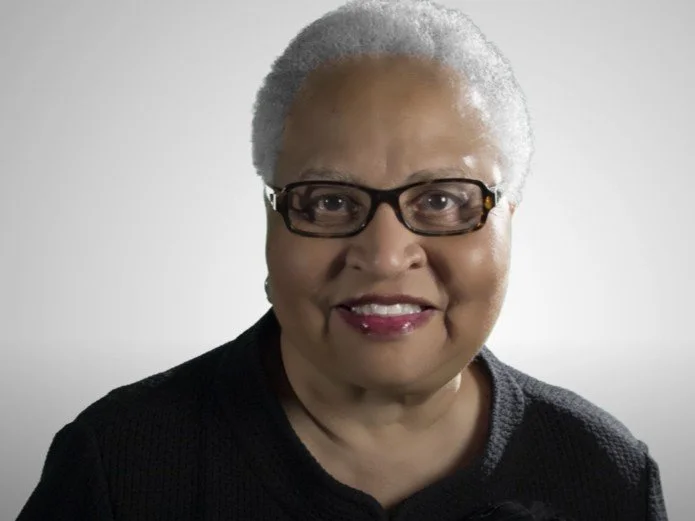
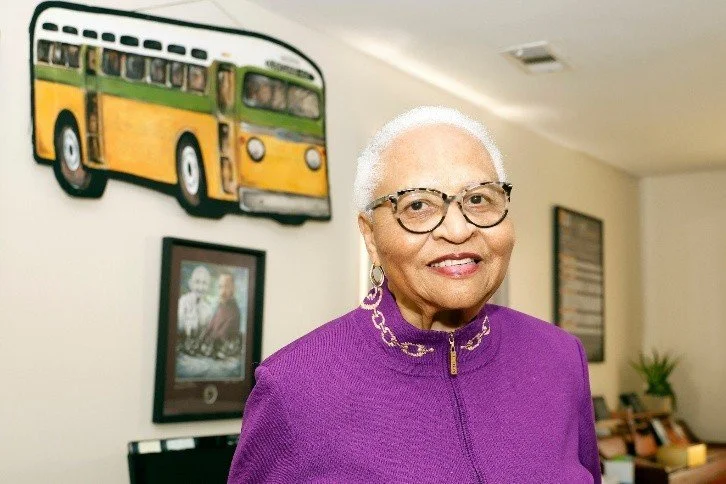
Doris Crenshaw is a civil rights leader, community mobilizer, and public policy advocate whose career spans more than seven decades.
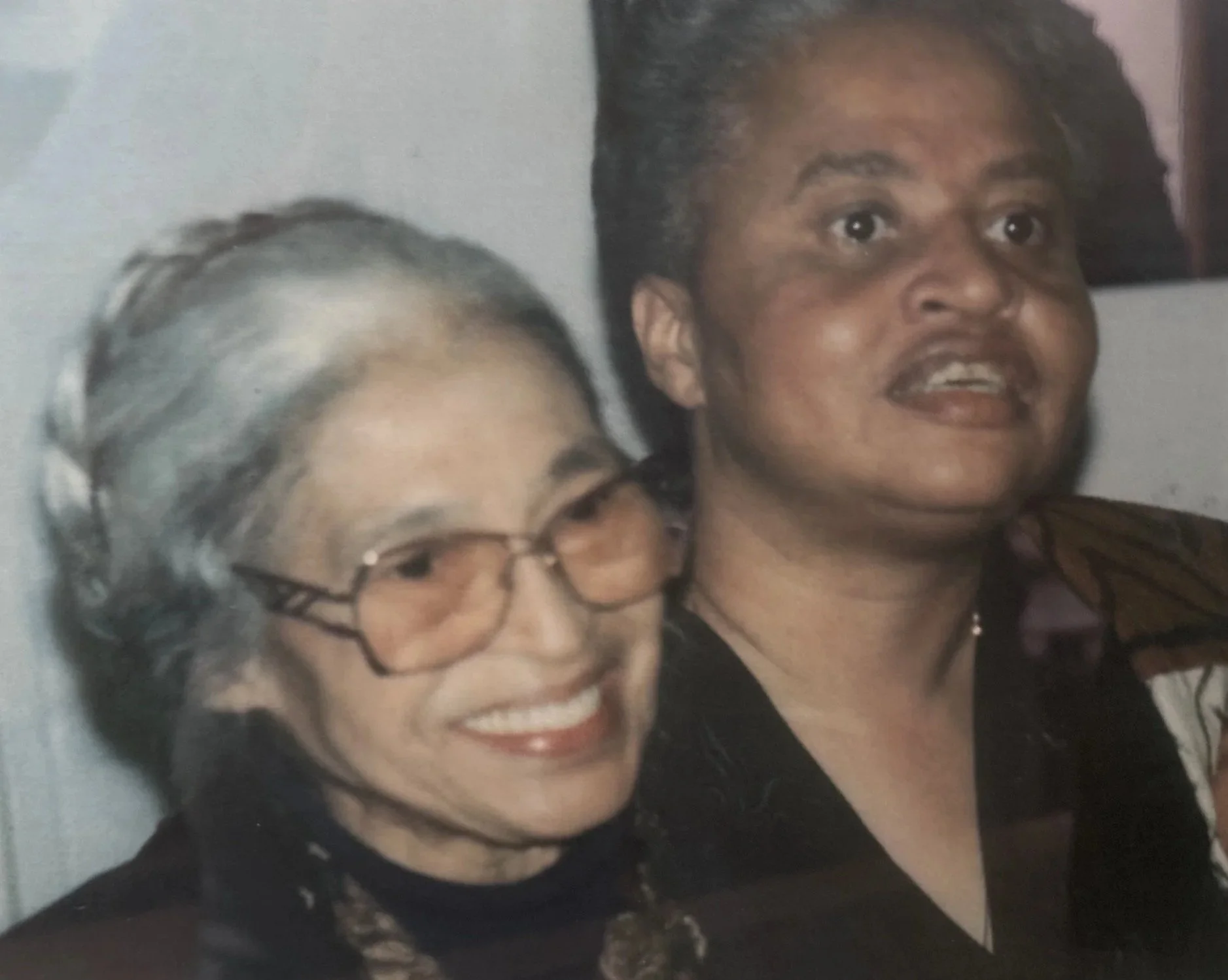
A former student of Rosa Parks and vice president of the Montgomery NAACP Youth Council, she began her activism during the Montgomery Bus Boycott and went on to work alongside leaders including Rev. Dr. Martin Luther King Jr., Mrs. Coretta Scott King, Dr. Dorothy Height, Rev. Jesse L. Jackson, President Jimmy Carter, and Vice President Walter Mondale.
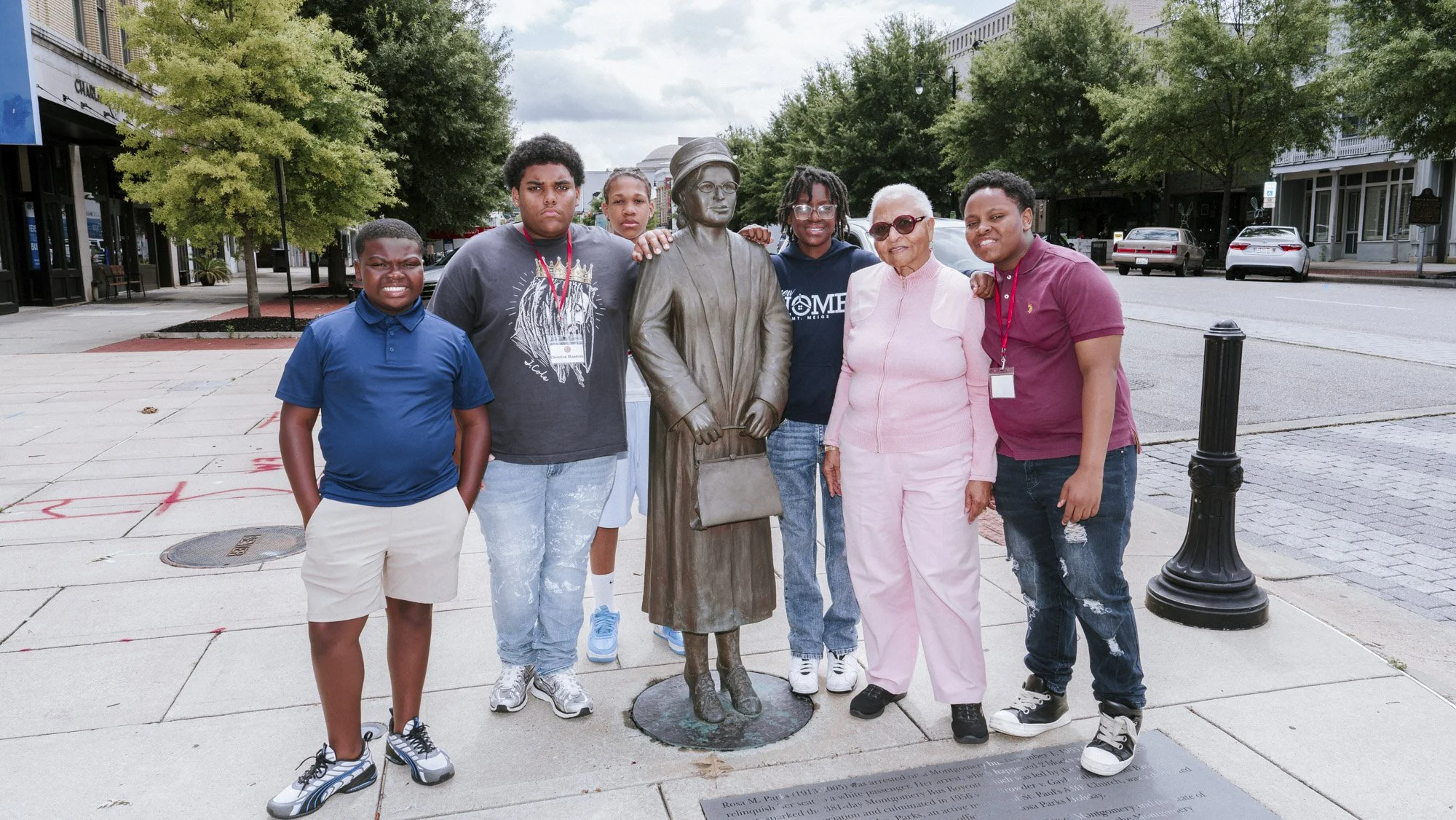
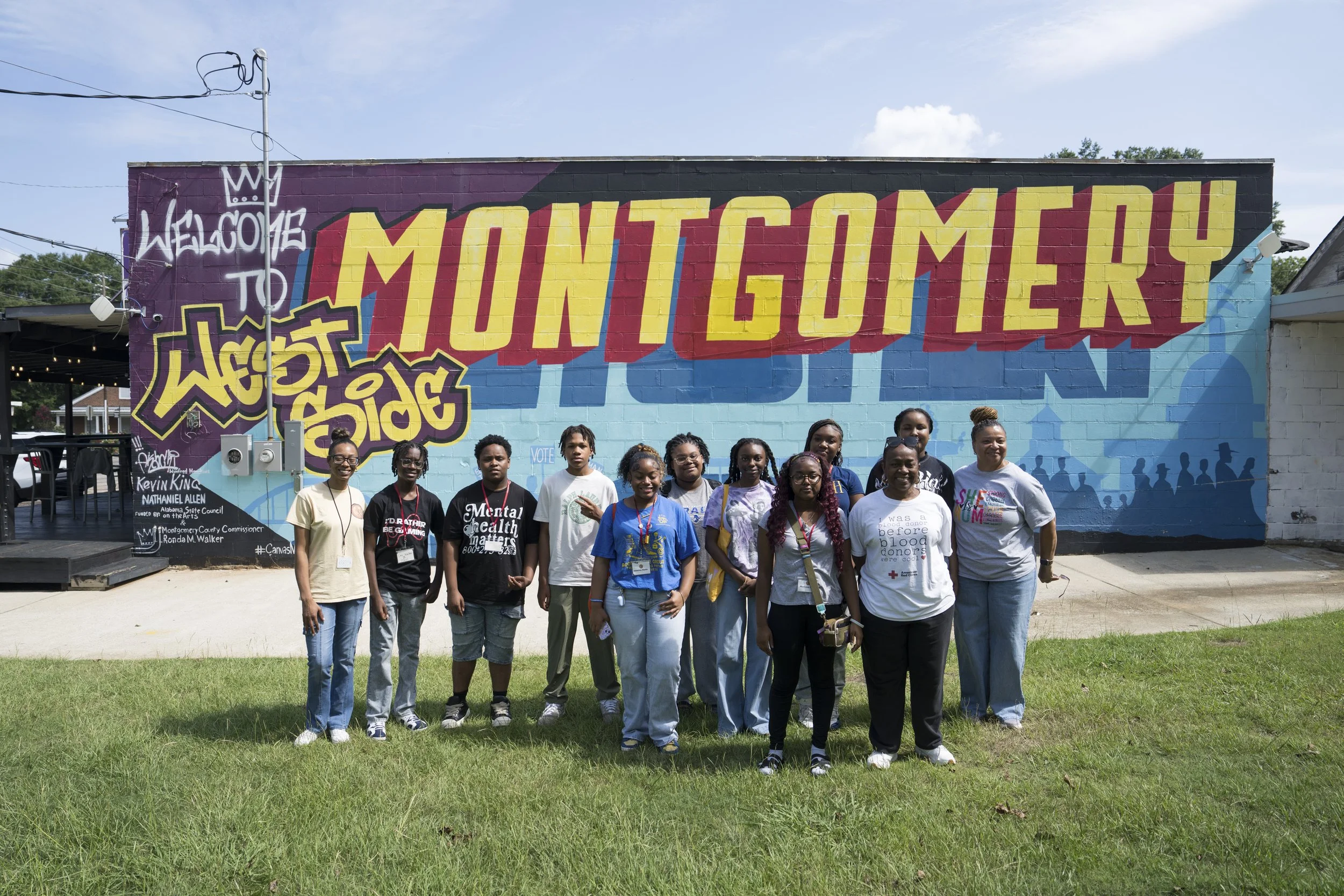
Today, she serves as founder and CEO of the Southern Youth Leadership Development Institute, where she works to identify young people with leadership potential and equip them with the knowledge, skills, and confidence to understand the world around them, shape it, and advocate for themselves and their communities.
The Doris Crenshaw Story
-
![]()
NAACP Youth Council
1955
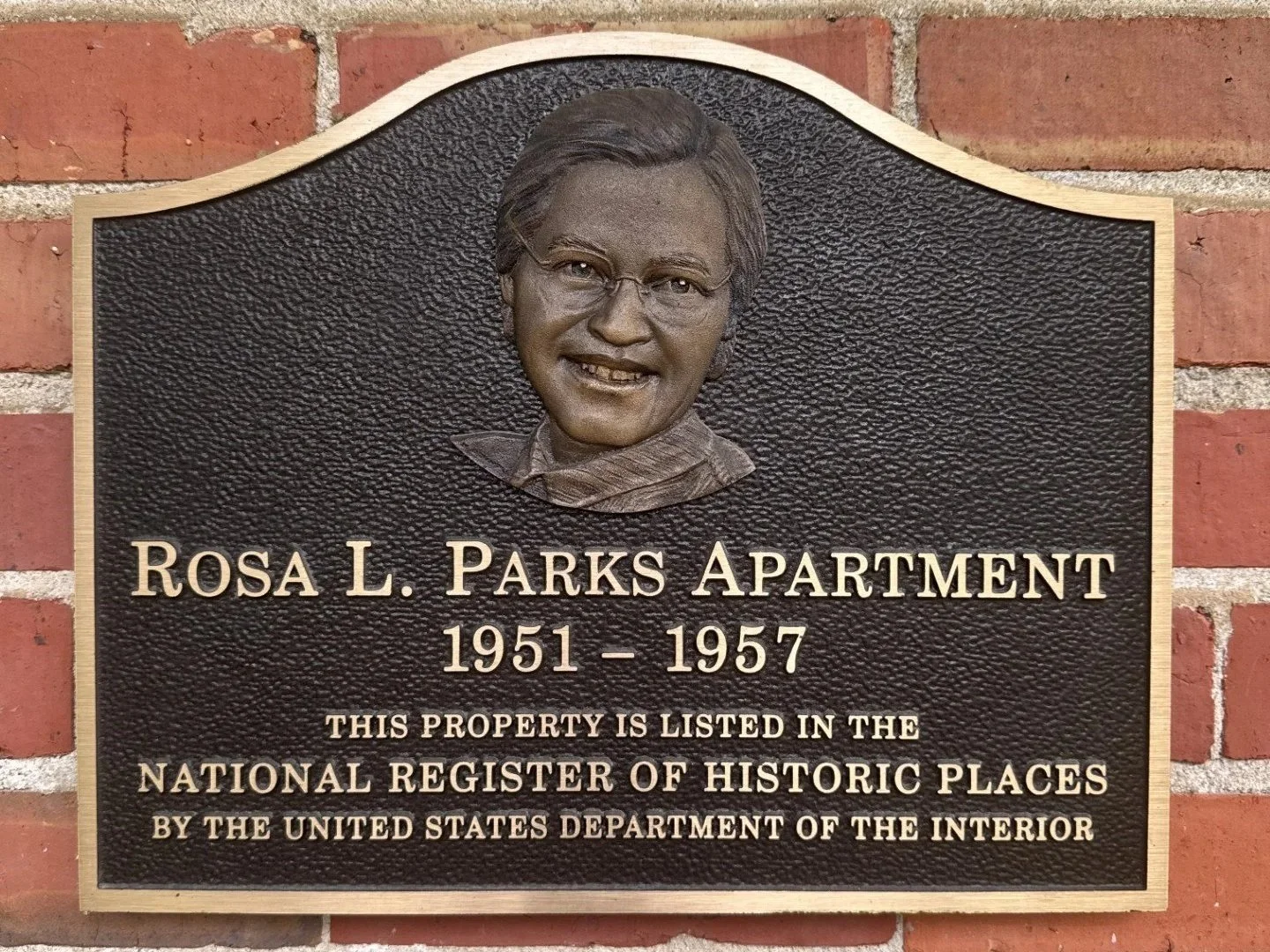
At age 12, Doris served as Vice President of the NAACP Youth Council. Rosa Parks served as the group's advisor. Mrs. Parks held weekly meetings in her small apartment, where she taught the importance of voting, civic engagement, and advocating for one's community. As Vice President, Doris often traveled with Mrs. Parks to NAACP meetings throughout Alabama.
-
![]()
Montgomery Bus Boycott
1955–1956
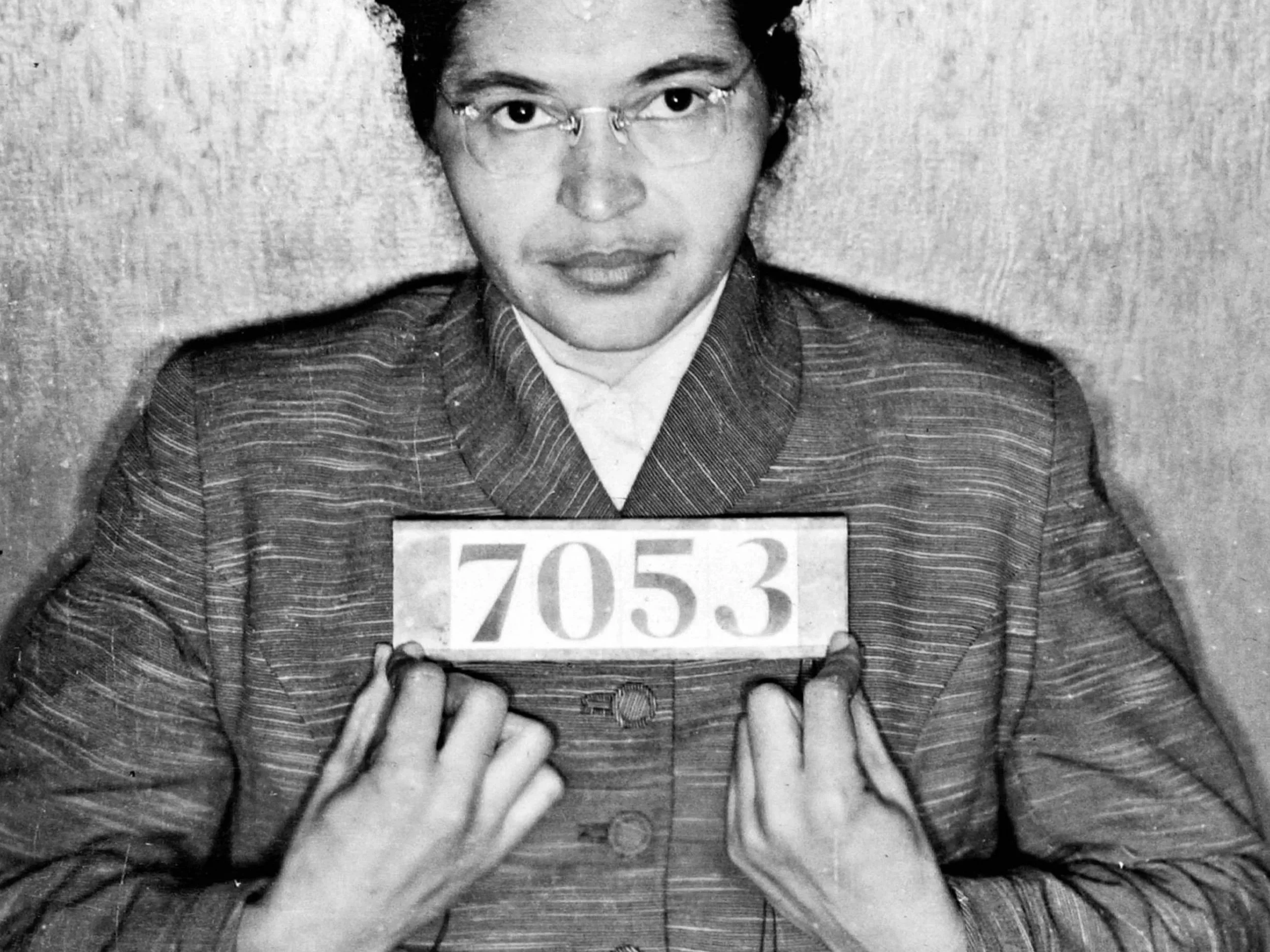
Following Rosa Parks' arrest, Doris and her sister Mary Ethel Dozier (later Jamila Jones) helped Jo Ann Robinson and the Women's Political Council distribute thousands of leaflets across Montgomery calling on Black citizens to stay off city buses on December 5 and attend a mass meeting at Holt Street Baptist Church. What began as a one-day protest became the 381-day Montgomery Bus Boycott. Doris and Jamila subsequently attended every mass meeting during that period and never rode the buses again.
-
![]()
Raid on the Highlander Folk School
July 31, 1959
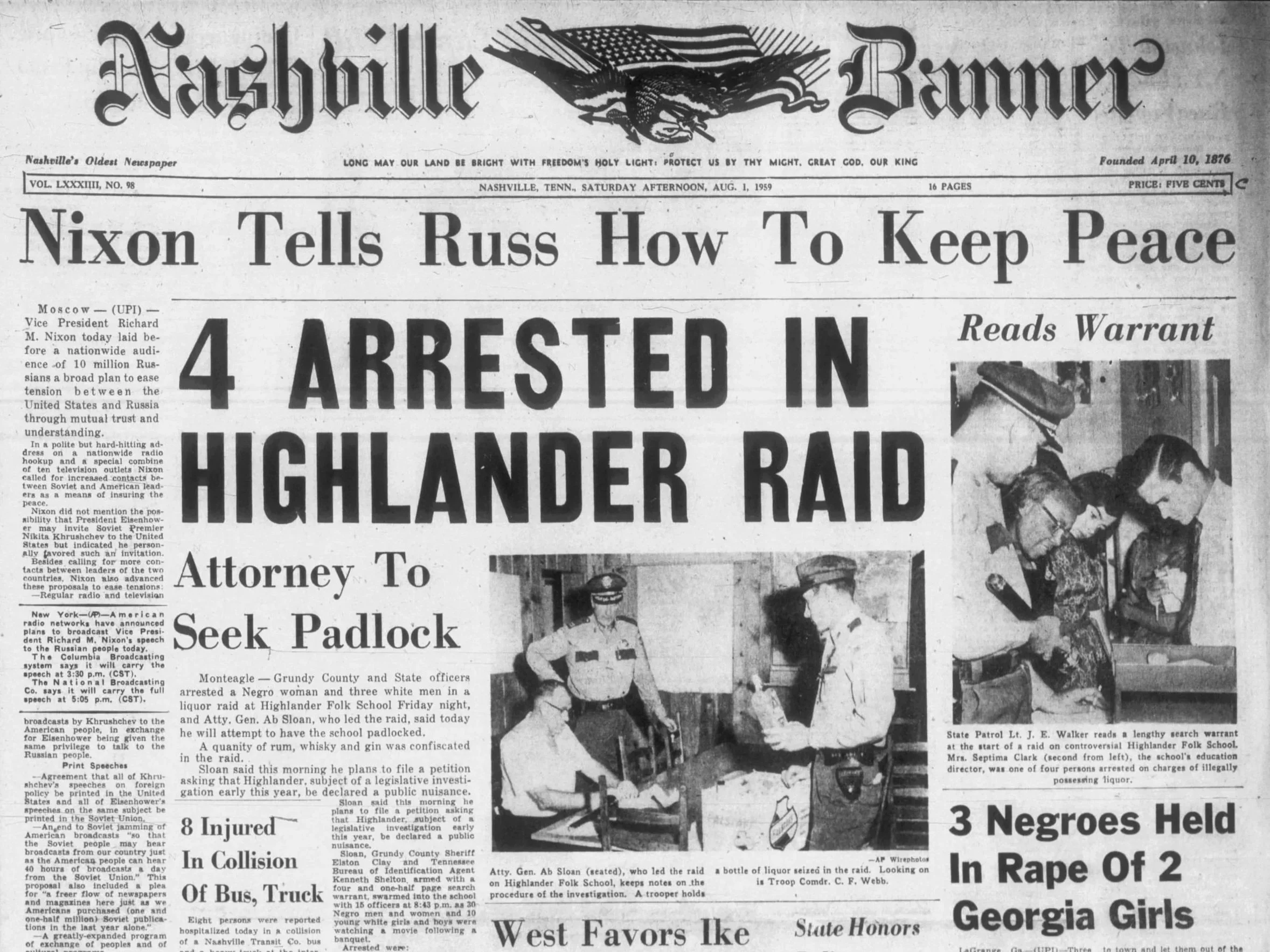
At Rosa Parks' urging, Doris and her sister attended a weeklong workshop on nonviolence and civil rights at the Highlander Folk School in Monteagle, Tennessee. On the final night of the workshop, Tennessee authorities raided the campus. As police searched the buildings, the participants sang We Shall Overcome. During the raid, Jamila spontaneously introduced the now-famous verse, "We are not afraid," which became a lasting part of the Civil Rights Movement's anthem.
-
![]()
Montgomery Assault on the Freedom Riders
May 20, 1961
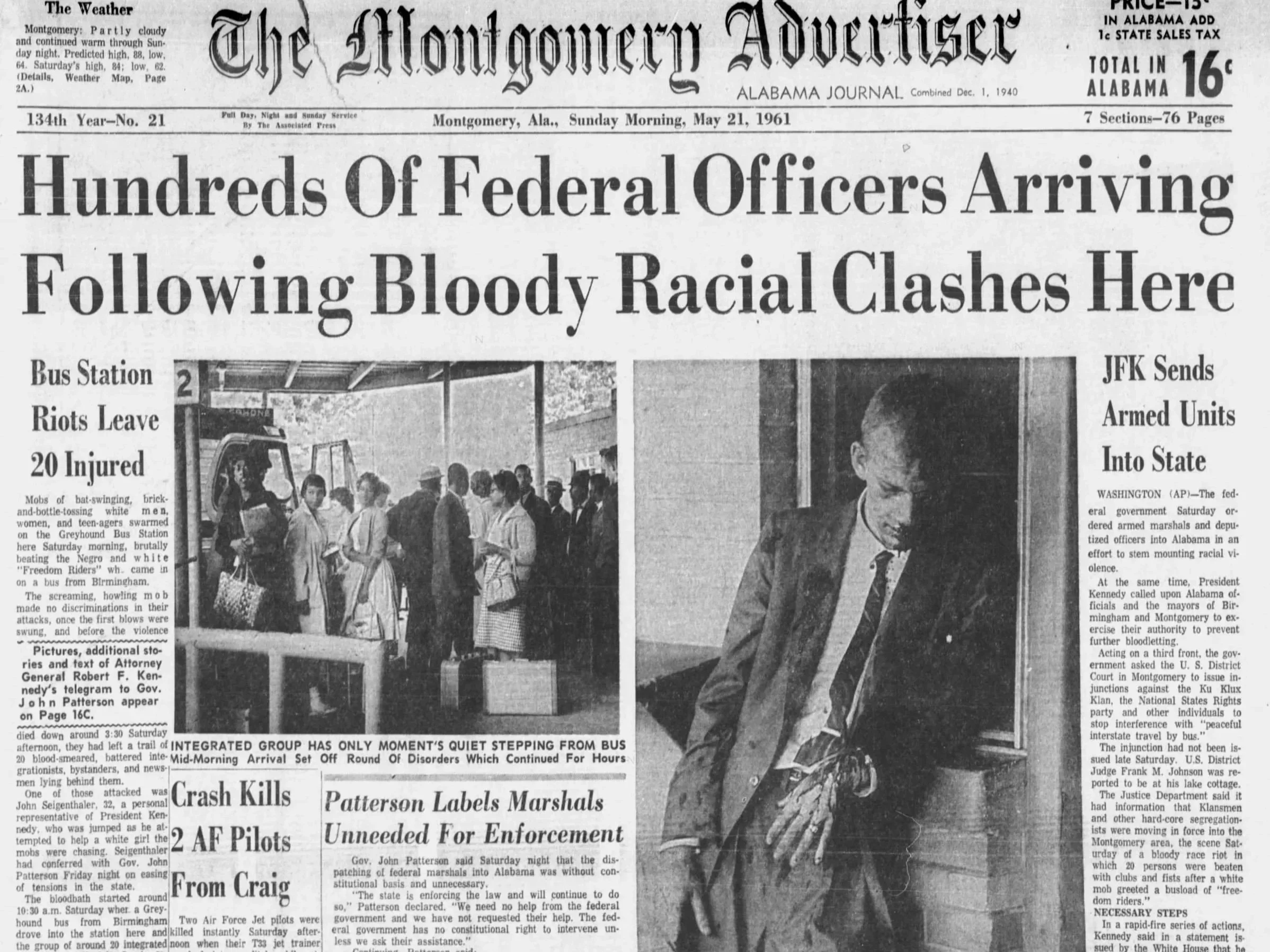
Following the attack on the Freedom Riders at the Montgomery Greyhound station, Doris secretly borrowed a car to help transport riders to First Baptist Church. She remained inside the church as a white mob surrounded the building, trapping hundreds of Freedom Riders and supporters overnight.
-
![]()
Southern University Student Protests
1961–1962
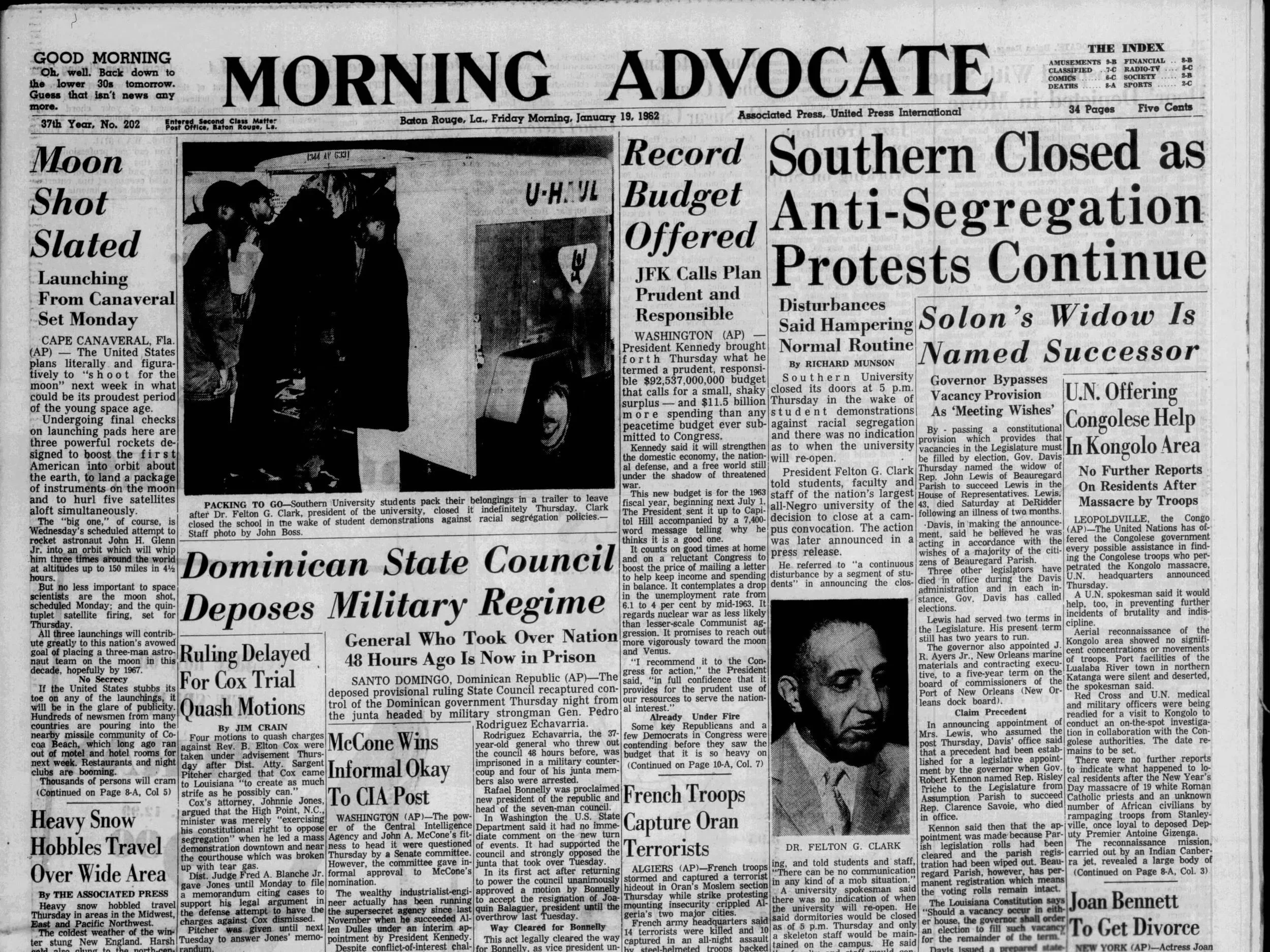
As a freshman at Southern University's Baton Rouge campus, Doris participated in student rallies advocating for civil rights and equal opportunity. During one demonstration, police used tear gas to disperse the crowd, after which she sought treatment at the campus infirmary. In January 1962, Southern University temporarily closed amid the student protests. When classes resumed, Doris was among the students who were not invited to return.
-
![]()
Clark College
1962–1966
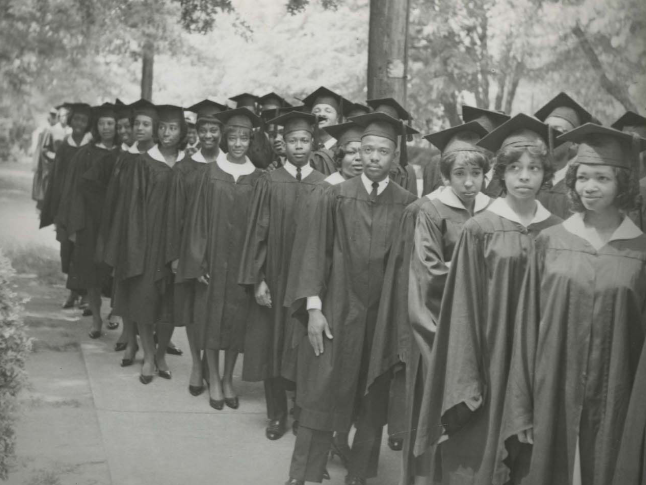
After Southern University did not invite her to return, her father hoped to steer her away from the Civil Rights Movement by enrolling her in a secretarial program in Atlanta and later Clark College (now Clark Atlanta University). Instead, on her first day, Doris sought out Freedom Rider Ruby Doris Smith and met Julian Bond. At Bond's encouragement, Doris joined the Atlanta Committee on Appeal for Human Rights and later the Student Nonviolent Coordinating Committee (SNCC). During this time, Doris became a deputy voter registrar alongside Rev. Fred Bennett. This work caught the attention of Rosetta Gardner and the National Board of the YWCA.
-
![]()
Chicago Open Housing Campaign
1965–1966
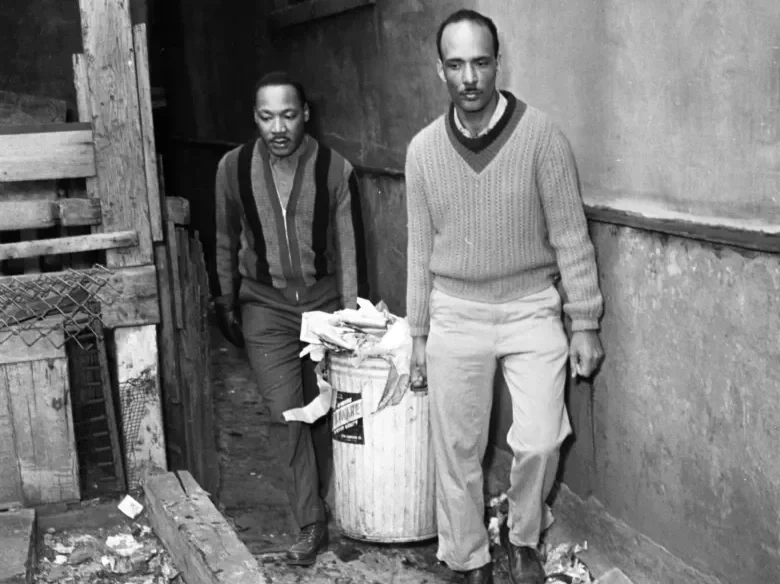
The summer before her senior year at Clark College, the National Board of the YWCA sponsored Doris to work with Al Raby and the Coordinating Council of Community Organizations as part of the Chicago Freedom Movement's Open Housing Campaign. After graduating, Doris returned to Chicago through the YWCA to work with Dr. Martin Luther King Jr. and the Southern Christian Leadership Conference (SCLC). At the conclusion of the campaign, she was asked to deliver the keynote address. Before speaking, Doris sought advice from Diane Nash, who encouraged her to emphasize that housing discrimination extended beyond Chicago. Doris's speech caught the attention of Dr. Dorothy Height, who afterward offered her a position with the National Council of Negro Women.
-
![]()
National Council of Negro Women
1966-1973
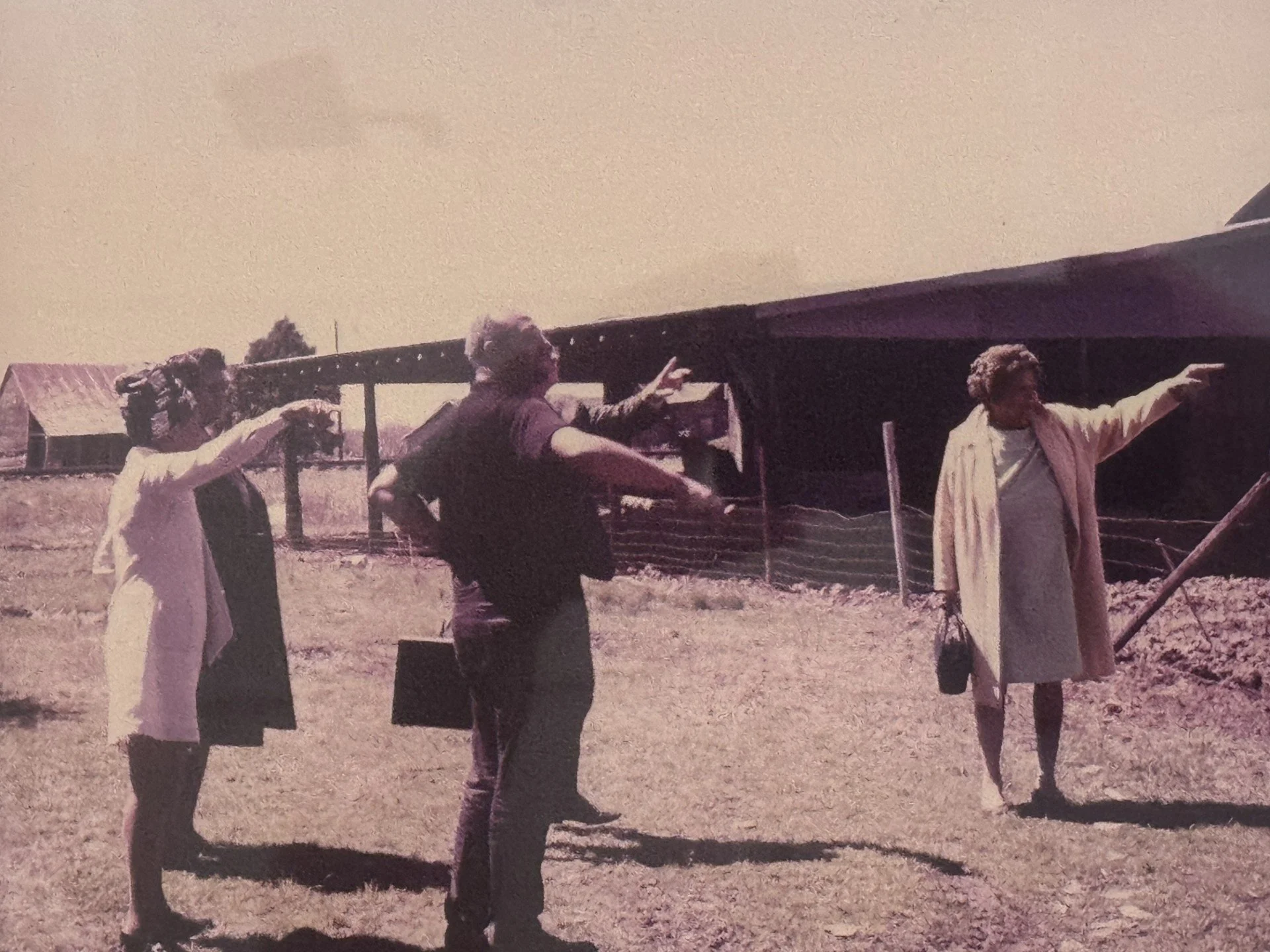
As Southern Field Representative for the National Council of Negro Women, Doris traveled throughout the South organizing local chapters and developing community programs, including credit unions, quilting cooperatives, grocery stores, pig banks, housing initiatives, and health programs. Her work also took her to Mississippi, where she worked alongside Fannie Lou Hamer, Unita Blackwell, and other women to create economic cooperatives and expand economic opportunities for women in rural communities. In the early 1970s, Doris returned to Alabama to lead the NCNW’s Turnkey III housing efforts in Greene County.
-
![]()
Federation of Southern Cooperatives
1973-1975
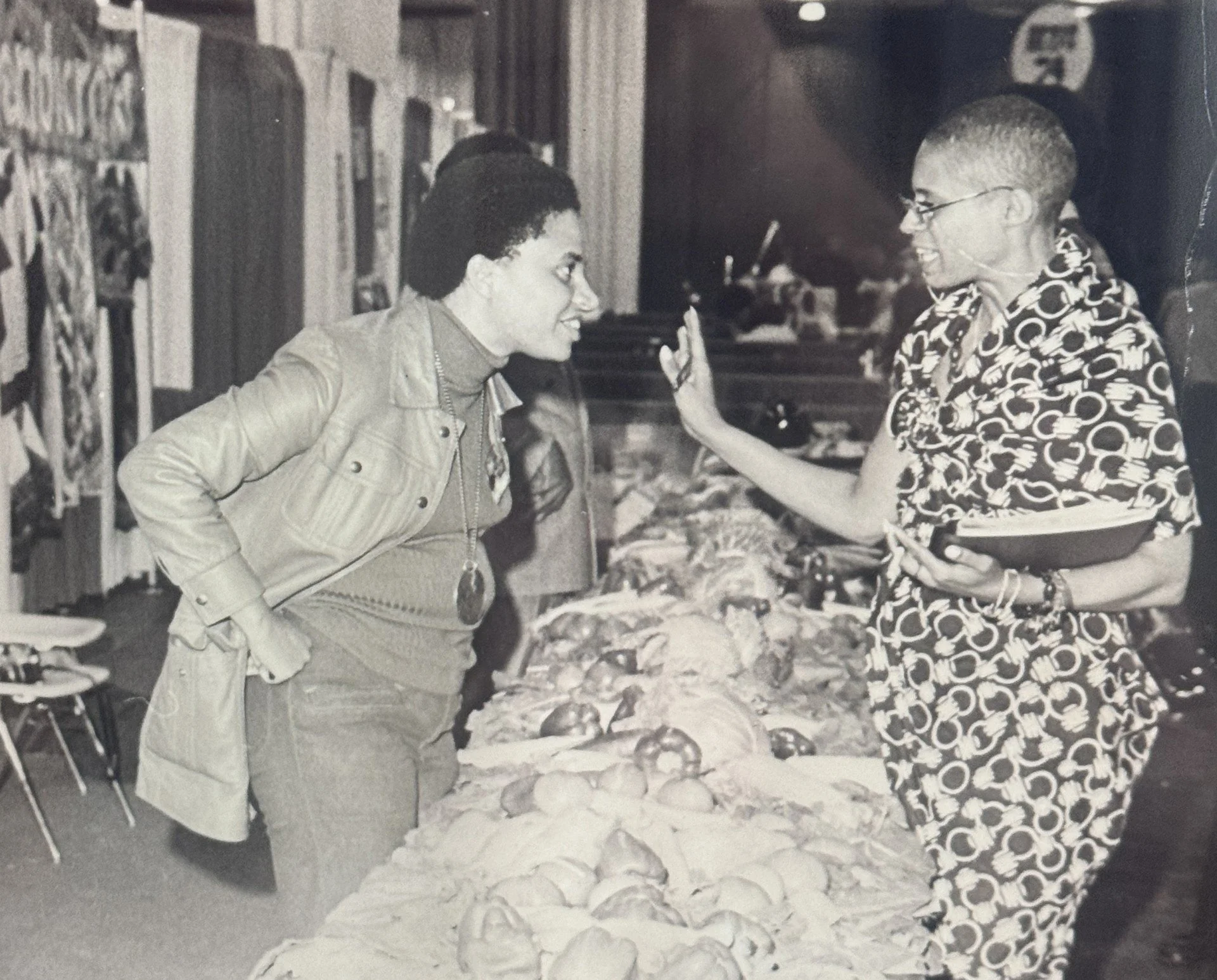
At the Federation of Southern Cooperatives, Doris helped manage organizers working with farmers and cooperatives across its 14-state Southern network. Based at the Federation's Rural Training and Research Center in Epes, Alabama, her team promoted grant opportunities available through the U.S. Department of Commerce's Office of Minority Business Enterprise and organized events that brought national figures, including Rev. Jesse L. Jackson and the Staple Singers, to Alabama to build awareness and support for the Federation's work.
-
![]()
Dr. Joe Reed’s City Council Campaign
1975
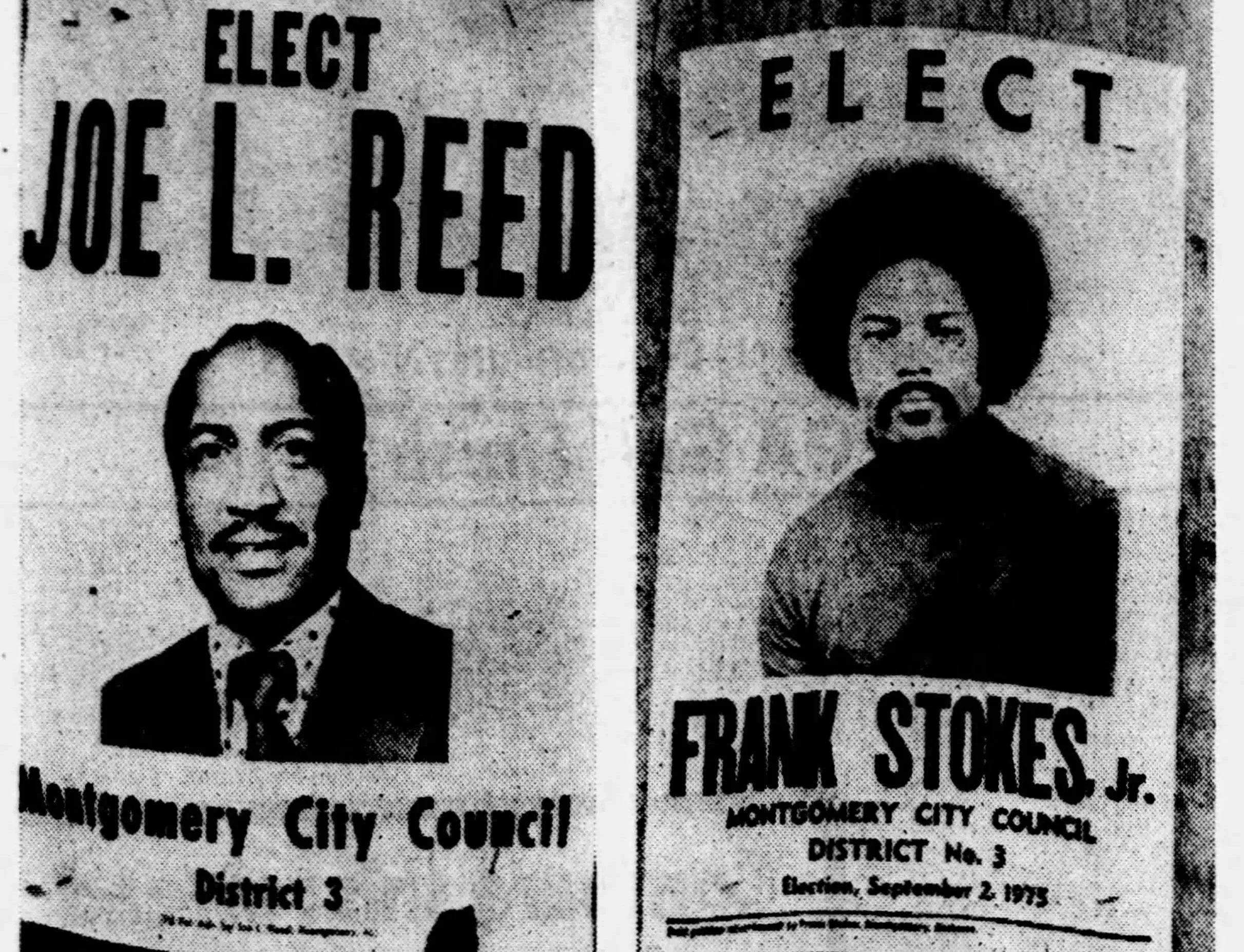
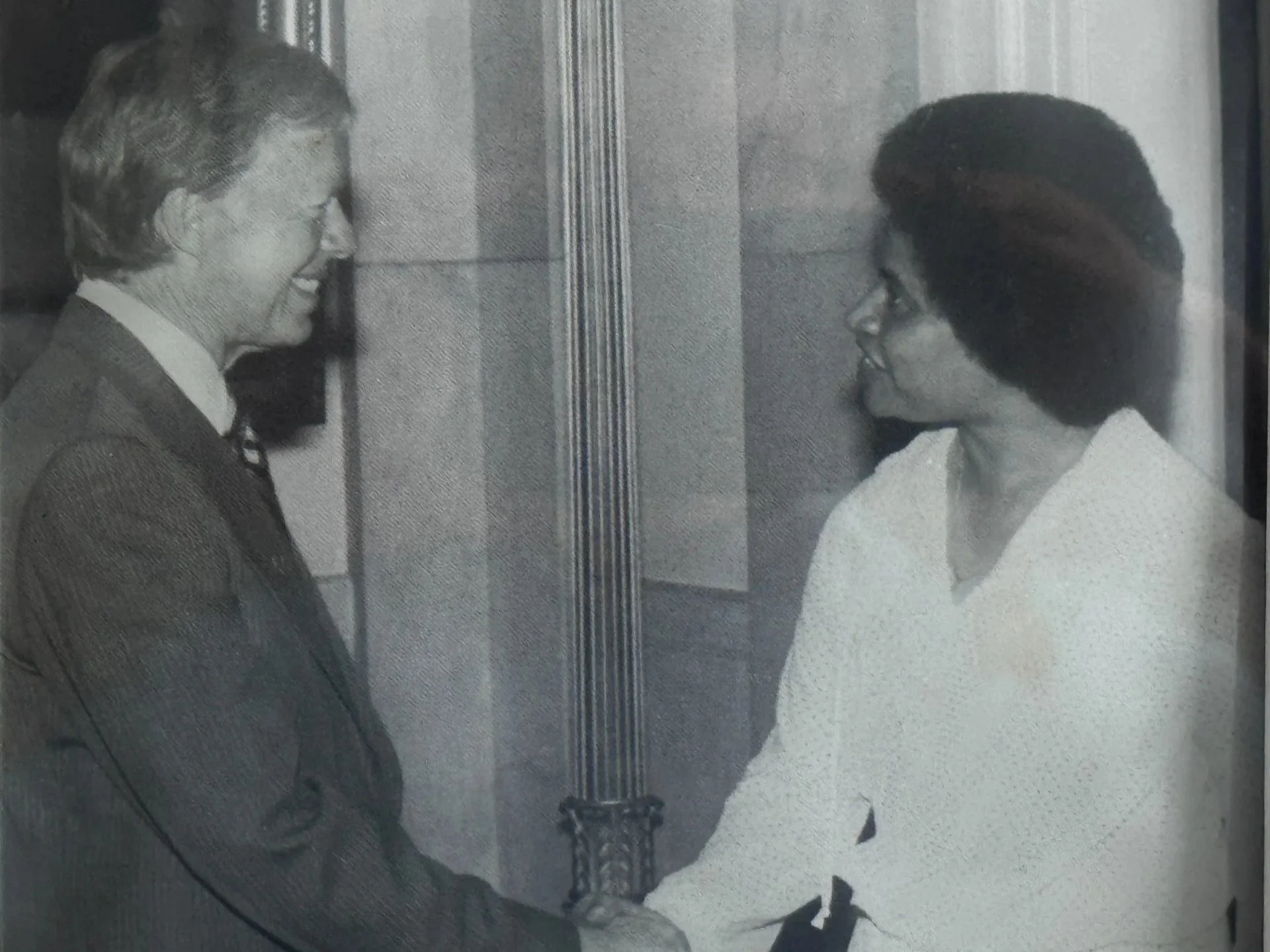
Despite having no previous political or campaign experience, Doris managed Dr. Joe Reed's successful campaign for the newly created Montgomery City Council. After the election, Dr. Reed invited Doris to hear Governor Jimmy Carter speak at a public event. During the question-and-answer session, Doris caught Carter's attention. Carter later asked her to organize a small campaign meeting. After she exceeded his expectations, he invited her to join his presidential campaign.
-
![]()
Carter Campaign & White House
1975–1980
Doris joined the Carter for President campaign and later served as an assistant to John Lewis at the ACTION Agency. She then joined the Carter White House Domestic Policy Staff in the Small and Minority Business Issue Division and served as Director of Minority Affairs for the 1980 White House Conference on Small Business. Doris later returned to the campaign trail as Deputy Director for the Carter Presidential Campaign's Southeast Region.
-
![]()
PUSH Trade Bureau
1980–1983
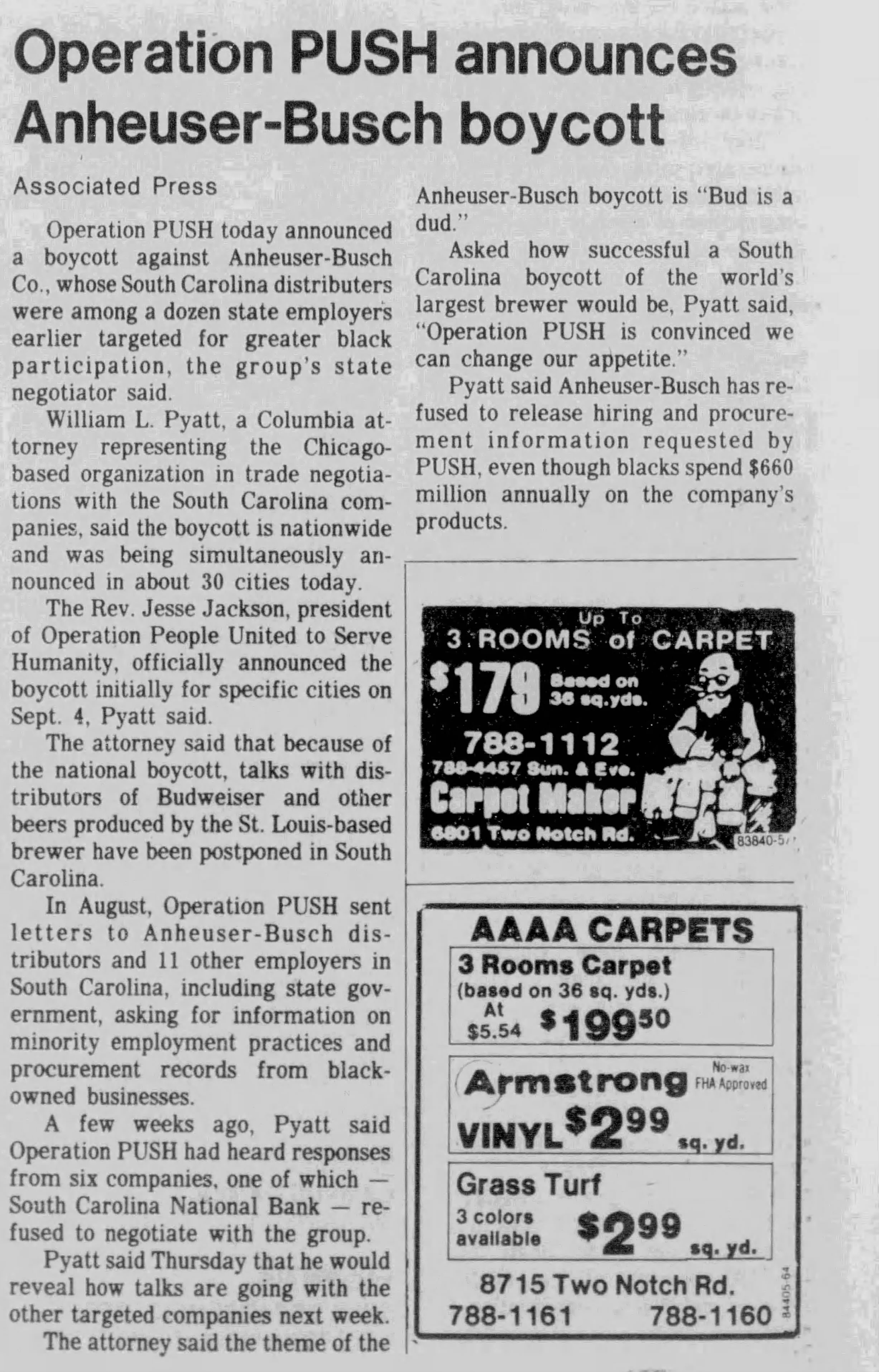
Doris served as Special Assistant to Rev. Jesse L. Jackson and Mobilization Director for special projects, working with Black-owned businesses across the country through the PUSH Trade Bureau. In 1982, she led mobilization efforts for Operation PUSH's national boycott of Anheuser-Busch. The campaign challenged the company to expand employment, distributorships, and other business opportunities for Black Americans.
-
![]()
Mondale Presidential Campaign
1983–1984
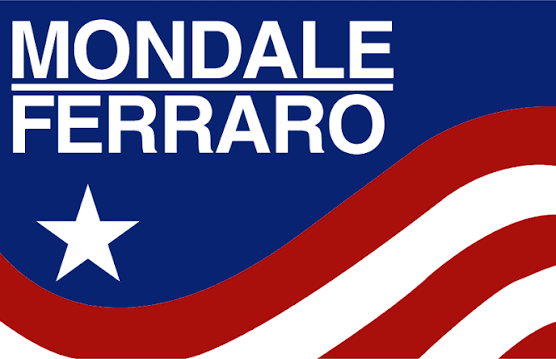
Doris served as a consultant to Vice President Walter Mondale and was later named National Political Director for the Mondale for President Campaign. As part of the campaign's effort to unify Black Democrats, Doris organized a series of “Blacks for Mondale” meetings that brought together Black elected officials, business leaders, political leaders, and Mondale supporters. She is credited with helping to secure the Alabama Democratic Conference’s endorsement of Mondale, which helped propel him to the Democratic nomination.
-
![]()
First National Martin Luther King Holiday
1984–1986
Coretta Scott King asked Doris to serve as Director of Mobilization for the first national observance of the Martin Luther King Jr. Holiday. Doris worked to build national participation and support for the new federal holiday, which was first observed on January 20, 1986.
-
![]()
National Black Family Reunion
1986–1988
Dorothy Height selected Doris to serve as Director of Mobilization for the first National Black Family Reunion held in Washington, D.C., which brought together more than 600,000 people. Doris later helped organize Black Family Reunion events in Atlanta and Los Angeles.
-
![]()
Corporate Consulting
1988–Present
Doris began advising corporations and organizations on community engagement and public affairs, beginning with Alabama Power in 1988. Her clients have since included Direct Impact, Waste Management, the Children’s Scholarship Fund, Southern Company, among others.
-
![]()
Montgomery Bus Boycott Commemorations
1995–Present
After accompanying Coretta Scott King at a Selma-to-Montgomery March commemoration, Doris set out to ensure the Montgomery Bus Boycott received the recognition it deserved as the event that helped launch the modern Civil Rights Movement. She organized the 40th Anniversary Commemoration in 1995 and has continued to organize commemorations in the decades since. Today, she continues that work through the annual Rosa L. Parks Gala & Awards Program, held each year during the first weekend in December.
-
![]()
Southern Youth Leadership Development Institute
2005
Believing that successful movements have always been propelled by women and youth, Doris founded the Southern Youth Leadership Development Institute to help young people understand the world around them and shape it. Although the organization initially focused on women, it later shifted its focus to developing young leaders.
-
![]()
SYLDI Today
Present
Today, Doris continues to serve as SYLDI's Founder and CEO. Through its summer program and year-round initiatives, SYLDI provides educational enrichment programs for Montgomery-area students ages 12–18. The organization identifies young people with leadership potential and equips them with the knowledge, skills, and confidence to become informed, empowered leaders who advocate for themselves and their communities.